


How to maintain mattress hygiene with ozone technology
Maintaining mattress hygiene with ozone technology is a seven-step process that starts with preparing the mattress surface, continues with completing the ozone application in a controlled cycle, and ends with ventilating the room. When applied in the correct order, it reduces moisture, bacteria, and allergen buildup; however, improper application can pose health risks. SlothBedding's Air Clean technology mattresses perform this cycle automatically every night using an integrated system within the mattress, without the need for periodic devices.
- Prepare the mattress surface and dust it.
- Prepare the room for ozone treatment.
- Activate the ozone device or the Air Clean system.
- Set the exposure time and dosage.
- Complete the ozone cycle.
- Ventilate the bedroom and remove any residual ozone.
- Seal the hygienic surface with a protective cover.
- Check the result and repeat at regular intervals.
Table of Contents
- How ozone technology works in mattress hygiene
- Necessary preparations before starting
- Step-by-step mattress hygiene application with ozone technology
- Step 1: Prepare the mattress surface and dust it
- Step 2: Prepare the room for ozone treatment
- Step 3: Activate the ozone device or the Air Clean system
- Step 4: Set the exposure time and dosage
- Step 5: Complete the ozone cycle
- Step 6: Ventilate the bedroom and remove any residual ozone
- Step 7: Seal the hygienic surface with a protective cover
- How to tell if the application was successful
- Common mistakes and their solutions
- Comparison of the ozone method and Air Clean technology
- Frequently asked questions
How ozone technology works in mattress hygiene
Ozone technology is a disinfection method that breaks down bacteria, mold, and certain allergens through the oxidizing effect of ozone gas, which consists of three oxygen atoms. Sweat, skin flakes, and moisture that accumulate in the mattress create a suitable environment for bacterial growth; ozone molecules damage the cell walls of these microorganisms, reducing their numbers.
Household ozone devices are operated in a closed room for a certain period, and the room is then ventilated. SlothBedding's Air Clean technology works on a different principle: the system integrated into the mattress continuously balances the moisture and heat generated during sleep and reduces allergen buildup, eliminating the need for periodic ozone shocks.
Necessary preparations before starting
Before starting the ozone application, several elements must be ready. No one should be in the room during the application, and pets and plants must be removed.
- An ozone-producing device or the mattress's own Air Clean system.
- The ability to completely close the room and ventilate it afterwards.
- The device manual and information regarding the recommended exposure time.
- A window that can be opened for ventilation after the application.
For detailed information on the safe use of ozone, checking the guide explaining the safety of ozone mattress cleaning helps understand the risks before operating the device.
For users with allergic constitutions, anti-allergic and antibacterial mattress models offer an alternative solution to periodic ozonation.
Step-by-step mattress hygiene application with ozone technology
The seven steps below show the order that must be followed from start to finish for home ozone application.
Step 1: Prepare the mattress surface and dust it
First, the bed linen and mattress protector are removed, and the mattress surface is cleared of dust using a vacuum cleaner. Dust and skin flakes on the surface can prevent ozone molecules from directly reaching the microorganisms, so this step should not be skipped.
If a mattress protective cover is used, it should be removed and washed separately, and the bare mattress surface should be prepared for ozonation.
Step 2: Prepare the room for ozone treatment
The room doors and windows are closed to ensure the ozone acts on the mattress surface without escaping the room. Electronic devices, rubber, and some plastic materials may deteriorate when exposed to ozone for a long time, so they should be removed from the room if possible.
There should be no humans, pets, or plants in the room during the application; ozone gas can irritate the respiratory tract.
Step 3: Activate the ozone device or the Air Clean system
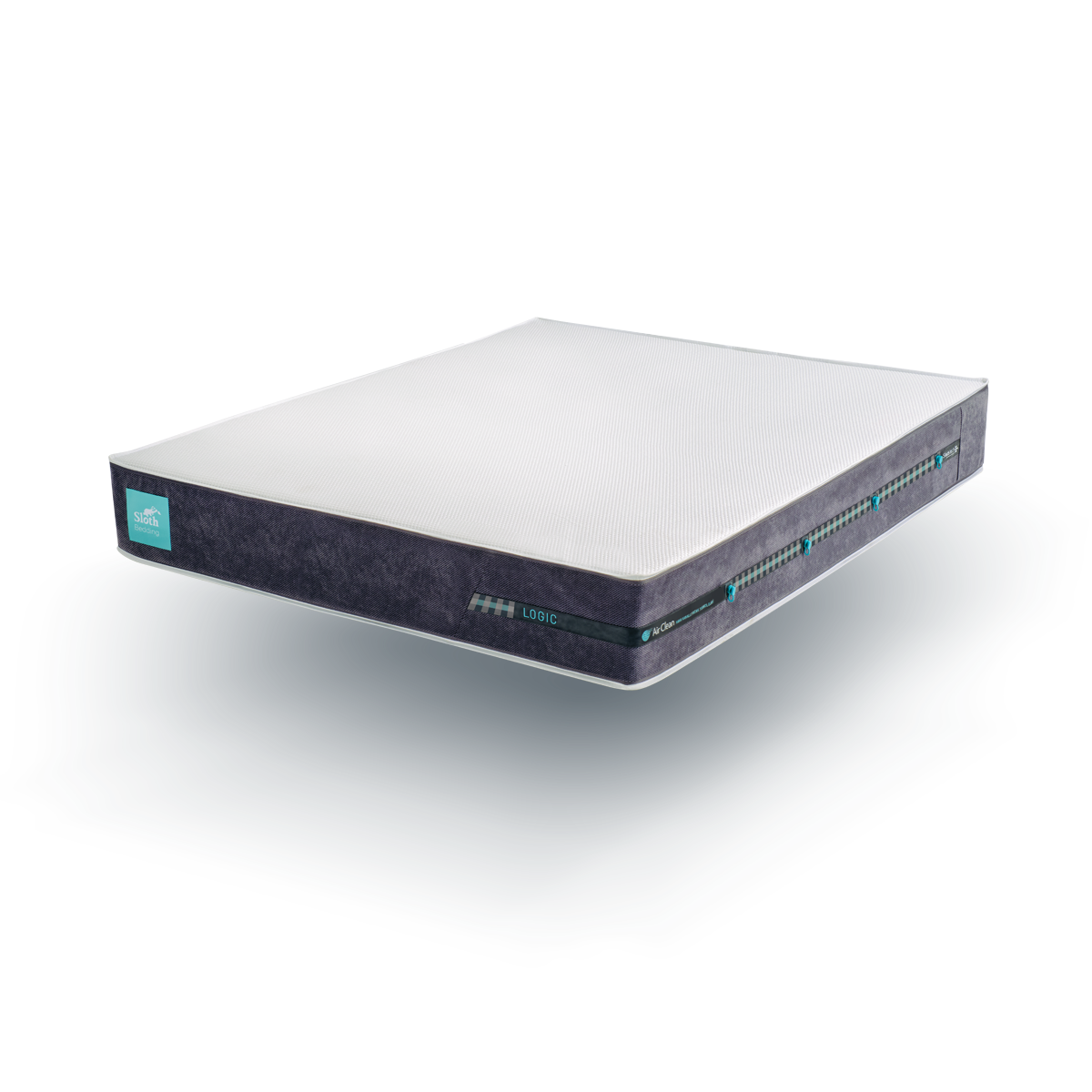
If using a household ozone generator, the device is placed near the mattress according to the manufacturer's instructions and turned on. If using a mattress with Air Clean technology, this step is not necessary. Because the system is integrated into the mattress structure as in the Reboot Air Clean Mattress, Connect Air Clean Mattress, and Code Air Clean Mattress models, and it activates automatically with every use.
In device-based applications, the power setting should be selected according to the size of the room; a high power setting for a small bedroom can lead to unnecessary ozone accumulation.
Step 4: Set the exposure time and dosage
Exposure time is the duration for which the ozone device is operated to act on the mattress surface, and it varies depending on the power of the device and the volume of the room. The time specified in the manufacturer's manual should not be exceeded, and for the first use, you should start with the shortest recommended time.
Excessive dosage can lead to odor accumulation in the mattress fabric, while too little can result in insufficient disinfection.
Step 5: Complete the ozone cycle
The device is operated continuously for the duration specified in the manual, and the room is not entered until the cycle is complete. This step is the most critical part of the process because if the cycle is interrupted, efficiency drops and high ozone concentrations may remain in the room.
If the device has an automatic shut-off timer, using it prevents the time from being accidentally extended.
Step 6: Ventilate the bedroom and remove any residual ozone
After the cycle ends, the room door and windows are opened to ventilate for at least a few hours. Avoiding entering the room for a long time until the ozone smell has completely dissipated prevents irritation of the respiratory tract.
After ventilation is complete, the mattress surface is checked by hand to see if any moisture or odor remains.
Step 7: Seal the hygienic surface with a protective cover
After ozonation, the clean mattress surface is covered with a waterproof mattress protective cover to delay re-contamination and moisture buildup. The cover protects the surface from dust and liquid spills until the next ozonation process.
After attaching the cover, the bed linen is put back on, and the mattress becomes ready for use.
How to tell if the application was successful
In a successful ozone application, no noticeable damp smell remains on the mattress, and the surface feels dry to the touch. The smell of ozone itself should also completely dissipate within a few hours; if there is a persistent odor, the ventilation time may not have been sufficient.
A reduction in allergic symptoms can be noticed within a few nights; if no change is observed, the power of the device, application time, or frequency should be reviewed. In mattresses with Air Clean technology, this check is repeated automatically every morning, so a separate verification step is not needed.
Common mistakes and their solutions
- Staying in the room during ozonation can cause respiratory irritation; the room must be completely cleared throughout the application.
- Keeping the ventilation time short causes the smell of ozone to remain on the mattress; a ventilation time of at least a few hours must be followed.
- Not dusting the mattress surface before ozonation reduces the efficiency of the application; the vacuuming step should not be skipped.
- Operating the device for longer than recommended can lead to fabric fading and loss of elasticity; the time in the manufacturer's manual should not be exceeded.
- Thinking of ozonation as a one-time process; if not repeated regularly, the hygiene effect is lost in a short time.
Comparison of the ozone method and Air Clean technology
Both methods aim to reduce moisture and bacterial buildup, but the method of application and daily ease of use are different.
| Method | Equipment need | Application frequency | Clearing the room during use |
|---|---|---|---|
| Household ozone device | Separate ozone generator required | Periodic, planned manually | Required |
| Air Clean technology mattress | Integrated into the mattress, no extra device required | Automatic every night | Not required |
| Classic mattress cover and ventilation | No extra equipment required | With regular hand washing | Not required |
Those who want to examine models with Air Clean technology can look at the article explaining the 7 best self-cleaning mattress options of 2026; additionally, the 100-Day Trial period valid for all SlothBedding mattresses allows you to test the hygiene performance in daily use before purchasing the mattress.
Frequently asked questions
Is ozone mattress cleaning safe?
Ozone gas can irritate the respiratory tract if the correct exposure time and sufficient ventilation are not applied in a closed room. The risk is reduced when household devices are used in accordance with manufacturer instructions; for detailed safety information, the guide explaining the safety of ozone mattress cleaning can be reviewed.
How many hours should ozone stay on the mattress?
The duration varies depending on the device's power and manufacturer instructions, so giving a fixed time would be misleading. Once the application is finished, the room should be ventilated for at least a few hours, and one should not return to the bed before the ozone smell has completely dissipated.
Is ozone application suitable for allergic sleepers?
Ozone can reduce bacteria and mold that are sources of allergens, but the gas itself can cause irritation in sensitive respiratory tracts. For allergic users, anti-allergic and antibacterial mattress models offer an alternative that does not require periodic ozonation.
Does Air Clean technology replace an ozone device?
Air Clean technology does not perform a periodic shock application like an ozone device; it works continuously every night with a system built into the mattress to reduce moisture and allergen buildup. Therefore, it eliminates the need to buy a separate device or vacate the room.
Does ozonation damage the mattress fabric?
Repeated high doses of ozone can cause color fading and loss of elasticity in some synthetic fabrics. As long as the time and dose in the manufacturer's manual are not exceeded, this risk remains limited.
How often should ozone application be repeated?
The frequency of repetition depends on the usage intensity of the mattress and the humidity level of the room, so a single application does not provide permanent results. In mattresses with Air Clean technology, this repetition process runs automatically every night without requiring separate planning.

Share:
Choosing a Waterproof Mattress Protector: 7 Features | SlothBedding
Anti-Allergenic Dust Mite Resistant Mattresses 2026 - SlothBedding