


What is "Choosing the Right Mattress for a 0-3 Year Old Baby"?
Choosing the right mattress for a 0-3 year old baby means selecting a sleep surface that prioritizes spinal development, is sufficiently firm, is breathable, and possesses chemically safe certifications. A wrong choice leads to the baby overheating, the spine not being supported sufficiently, and most critically, an increased risk of suffocation.
- Baby firmness scale: The mattress should be firm enough that it does not show visible sagging under the baby’s body weight. This firmness supports a safe back-sleeping position.
- Breathable internal structure: Open-cell foam or air-channeled spring systems provide air circulation within the mattress, preventing overheating and sweating.
- Waterproof and washable cover: Removable, waterproof covers that can be washed at 60°C keep leaks, dust mites, and bacterial colonies away.
- Chemical safety certifications: Labels such as OEKO-TEX Standard 100, CertiPUR-US, or GOTS certify that the mattress is free of formaldehyde, heavy metals, and volatile organic compounds.
- Hypoallergenic natural materials: Organic cotton outer surfaces, natural latex cores, or merino wool layers minimize the risk of irritation on the baby's sensitive skin.
- Edge safety and structural durability: Supported edge bands prevent the baby's arm or leg from getting trapped between the mattress and the crib. A robust structure offers consistent support throughout the 0-3 age range.
- Perfect size fit: The mattress must match the internal dimensions of the crib exactly; there should not even be room for a finger. Gaps increase the risk of entrapment and falling.
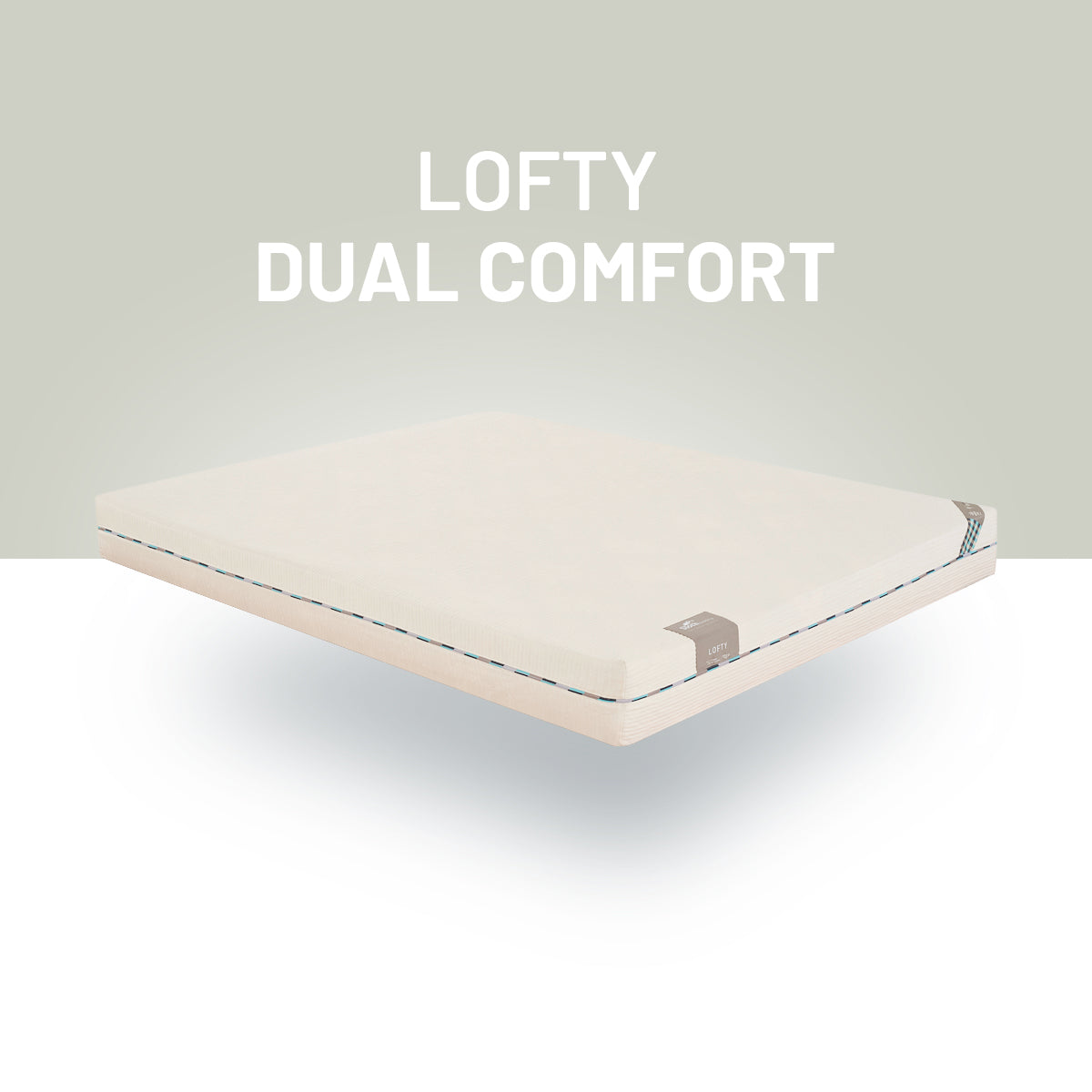
- Dual-sided use and longevity: Some models are suitable up to age three with a firm side for the infant stage and a slightly softer second side. This versatility eliminates the cost of buying a new mattress.
Those who benefit most from this information are parents preparing the first mattress for their baby, relatives looking for baby gifts, and those responsible for nursery equipment. This quiet step taken with the right start forms the foundation of your baby's lifelong sleep habits.
The Effect of the Right Mattress on Sleep Quality
An unsuitable baby mattress leads to all-night crying, parents being unable to rest, and health risks that hinder the baby's development. Each of the following problems is eliminated with the right mattress choice.
- Lack of uninterrupted sleep: An excessively soft mattress increases the likelihood of the baby rolling onto their stomach and raises the frequency of waking. A sufficiently firm and flat surface allows the baby to breathe comfortably and sleep for long periods.
- Spinal development issues: The spinal curvature forms in the first three years. An unsupported mattress causes the baby’s lumbar curve to increase unnecessarily. A firm mattress keeps the spine in a neutral position, laying the foundation for a healthy posture.
- Temperature imbalance: Non-breathable materials cause the baby to sweat, feel cold, and become restless. A mattress with an air-permeable structure supports the body's natural temperature regulation, creating an ideal sleep climate.
- Respiratory sensitivity: Chemical odors emitted from uncertified foams irritate the baby's lungs. OEKO-TEX and CertiPUR-approved mattresses offer a safe breathing space because their emission levels are controlled.
- Allergic reactions: Synthetic fibers and dust mites can trigger atopic dermatitis and allergic asthma in babies. Organic cotton, hypoallergenic covers, and dust-mite-proof layers reduce this risk.
- Risk of suffocation and SIDS: Very soft mattress surfaces cause the baby's chin to move toward their chest, narrowing the airway. A firm, flat, and breathable mattress is the most fundamental recommendation of safe sleep guidelines.
- Frequent mattress replacement deprivation: Mattresses with cheap materials sag in a few months, necessitating a new purchase. Investing correctly once prevents additional costs until age three.
- Parental fatigue and mental health: Simultaneously with the baby’s sleep interruptions, the mother’s or father’s sleep deprivation increases. A baby who sleeps peacefully brings tranquility to all family members.
The conscious investment you make in your baby's sleep is the most valuable step that raises the quality of life for the entire family.
How to Choose the Right Baby Mattress?
The confusion of labels in the market and the misconception that "soft = comfortable" often lead parents to make the wrong choice. You can clarify your decision-making process with the following steps.
Step 1: Measure the firmness level
Unlike adult comfort, a baby mattress should show almost no change in shape when you press on it with your hand. Press the mattress with your thumb; there should be no mark when you remove your thumb, and the surface should immediately return to its original state.
Step 2: Test breathability
Ask whether the internal structure of the mattress contains open-cell foam or dual-sided air channels. In the store, bring the top layer of the mattress close to your nose and feel the resistance to breathing; the easier the airflow, the cooler the baby will sleep throughout the night.
Step 3: Look for chemical certifications
Eliminate products where you do not see the OEKO-TEX Standard 100, CertiPUR-US, or GOTS logos on the packaging or manufacturer's website. These certificates guarantee that substances such as formaldehyde and heavy metals are not at detectable levels.
Step 4: Prioritize a waterproof, removable cover
A waterproof cover that is zippered and machine-washable at at least 60°C doubles the life of the mattress. Ensure that the mattress's own outer texture is also moisture-wicking and does not cause sweating.
Step 5: Achieve a perfect fit with the crib
Measure the internal dimensions of the crib to the millimeter and compare them with the mattress. Even a gap that can accommodate two fingers creates an entrapment danger. Although standard dimensions are 120x60 cm, there may be variations in some models.
Step 6: Evaluate edge structure and safety
The mattress's edge bands should prevent the mattress from changing shape when the baby touches the crib rails. Edge firmness protects the baby against the risk of falling from the mattress during crawling and standing-up efforts.
Step 7: Choose natural and hypoallergenic material
An organic cotton outer surface and natural latex core provide both comfort and skin-friendly contact. Instead of synthetic fibers, natural temperature regulators like merino wool can also be preferred.
Step 8: Inquire about the advantage of longevity and dual-sided use
The manufacturer should clearly state that the mattress will maintain its form in the 0-3 age range. Some mattresses have a firmer newborn side and a slightly more comfortable side for the toddler phase; this flexibility eases your budget.
Quick check: Place the mattress on a flat surface and press on the corners with your palms to see if there is equal resistance. If you notice sagging, that mattress is not suitable for your baby's development.
When you follow all these steps in order, you are choosing not just a mattress, but a silent partner in your baby's growth journey.
Common Mistakes and What to Watch For
These mistakes are often made with good intentions but lack of information; the results leave deep marks on the baby's sleep and health.
- Using an adult mattress: Adult mattresses are too soft for babies, causing breathing difficulties and spinal curvature. Choose only firm mattresses specifically designed for babies.
- Buying a second-hand mattress: Used mattresses contain hidden mold, dust mite accumulations, and sagging areas. Furthermore, since old mattresses increase the risk of SIDS, a brand-new and certified mattress is essential.
- Deciding solely based on price: The cheapest options are mostly uncertified, contain chemical emissions, and lose their form in a few months. Consider the price-performance balance and head toward mid-segment approved products.
- Preference for an excessively soft mattress: While plush and soft textures may be appealing to parents, they cause the baby to sink into the mattress. If you don't feel resistance in the thumb-pressing test, do not buy that mattress.
- Buying uncertified products: Volatile organic compounds released from uncertified foams irritate the baby's developing respiratory system. Look for the OEKO-TEX or CertiPUR logo on the packaging without fail.
- Not using a mattress protector: When fluids such as vomit or urine soak directly into the mattress, mold growth is inevitable. Eliminate this risk from the first day by using a breathable, waterproof mattress protector.
- Unsuitable mattress size: When a mattress bought as "standard" does not fit the crib perfectly, the baby's arm or leg can get trapped in the gap. Measure the internal dimensions of the crib and look for a millimeter-perfect fit.
- Neglecting allergen control: Synthetic fibers and covers that have undergone chemical processing can trigger redness and itching on sensitive skin. GOTS-certified organic cotton covers are the safest option.
By avoiding these traps, you save yourself from unnecessary expenses and, most importantly, from putting your baby's health at risk.
Baby Mattress Care and Cleaning Recommendations
Proper maintenance preserves the mattress's original firmness and hygiene, ensuring a safe sleep area every night.
- Weekly airing: Leave the mattress bare while changing the sheets and air it for 2-3 hours; this dissipates accumulated moisture and prevents mold formation. Repeat this process at least once a week.
- Use of a waterproof mattress protector: Install a breathable, waterproof protector from day one. It seals out liquid spills instantly, preventing the deterioration of the mattress's inner layers.
- Regular washing of the cover: Wash the removable cover at 60°C every 2 weeks; high heat destroys dust mites and allergens. Use an extra rinse cycle to remove detergent residues.
- Intervening in sudden stains: Clean stains like vomit or urine immediately with cold water and mild baby soap. Do not use bleach, harsh detergents, or hot water; you may damage the mattress's protective layer.
- Rotating the mattress: For dual-sided models, rotate the mattress from head to foot every 3 months. This ensures even wear and delays the formation of sagging points.
- Monthly support check: Every month, scan the surface of the mattress with your hand to inspect for clumping, pitting, or tearing. Replace the mattress the moment you see deterioration; once the safe support is lost, the mattress has completed its task.
- Under-mattress airflow: Pay attention to having a slatted crib base. Flat surfaces that do not receive air from below trap moisture and invite mold. Lift the mattress regularly to wipe and dry the base.
- Avoiding chemical cleaners: Do not use any powder or spray other than baking soda for mattress cleaning. Chemical odors irritate the baby's respiratory tract and lower sleep quality.
Regular maintenance is not just about cleanliness; it is about guaranteeing the quality of the air your baby breathes and the surface they touch.
How Can SlothBedding Help You?
Finding a mattress produced with truly safe and baby-friendly materials in the market is one of the greatest challenges for parents. SlothBedding simplifies this search with its transparently certified products and expert guidance.
SlothBedding baby mattresses are designed with OEKO-TEX Standard 100 certified outer fabrics and breathable open-cell foam layers. This ensures your baby enjoys a cool sleep throughout the night, free from chemical risks. All mattresses come with waterproof covers that can be removed and washed at 60°C; thus, hygiene concerns are minimized.
The product range includes firmness options suitable from birth to age three and dimensions that fit perfectly with crib measurements. The SlothBedding customer experience team guides you every step of the way, from the correct firmness to edge safety. Additionally, thanks to transparent material information, you have clear knowledge about every layer your baby comes into contact with.
SlothBedding offers mattresses that parents can choose with peace of mind in the 0-3 age period, which support bone development and have passed international safety tests.
Frequently Asked Questions
Q: How firm should a 0-3 year old baby mattress be?
A baby mattress should be firm enough that it leaves almost no mark when pressed with an adult’s palm. The fact that there is no sagging during a finger-pressing test ensures that the airway remains open even if the baby is sleeping face down. This firmness does not disrupt the natural alignment of the baby's spine in the back-sleeping position.
Q: Can a second-hand baby mattress be used?
It is not recommended. A used mattress carries the risk of unseen mold, dust mites, and structural sagging. Furthermore, there is a high probability that old mattresses have reached the level of softening associated with SIDS. If your budget is limited, choose a brand-new baby mattress that carries basic certifications.
Q: Is organic material really necessary for a baby mattress?
Organic cotton or natural latex layers eliminate chemical irritation, especially for babies with atopic skin conditions. A GOTS or OEKO-TEX label certifies that the product has been cleared of harmful pesticide residues. By offering better air permeability compared to synthetic alternatives, it lowers the risk of diaper rash and sweating.
Q: Do I necessarily have to use a mattress protector on the mattress?
Yes, a breathable, waterproof protector protects the mattress from fluids such as vomit and urine, preventing the formation of bacteria and mold in the inner layers. The protector helps the surface the baby touches to remain dry and clean. Continue the hygiene cycle by washing the protector at least every two weeks.
Q: How often do I need to change the baby mattress?
Ideally, change the mattress every 3 years or whenever you feel permanent sagging or clumping on the surface with your hand. Durable models can complete the 0-3 age range without issues; however, if a loss of support is experienced as weight increases, replacement is essential. When choosing a new mattress, apply the same firmness and certification criteria again.
Q: Which certifications should I look for when choosing a mattress?
At the very least, an OEKO-TEX Standard 100 or CertiPUR-US certificate must be present. For products with organic content claims, the GOTS certificate proves that the cotton remained clean from the field to the final stitch. These labels are the most concrete indicator of chemical safety verified by independent laboratory tests.


Share:
What is the 4-7-8 Breathing Technique? Steps for Practice and Benefits
How Should a 0-6 Month Baby Bed Be: A Safe and Comfortable Choice