


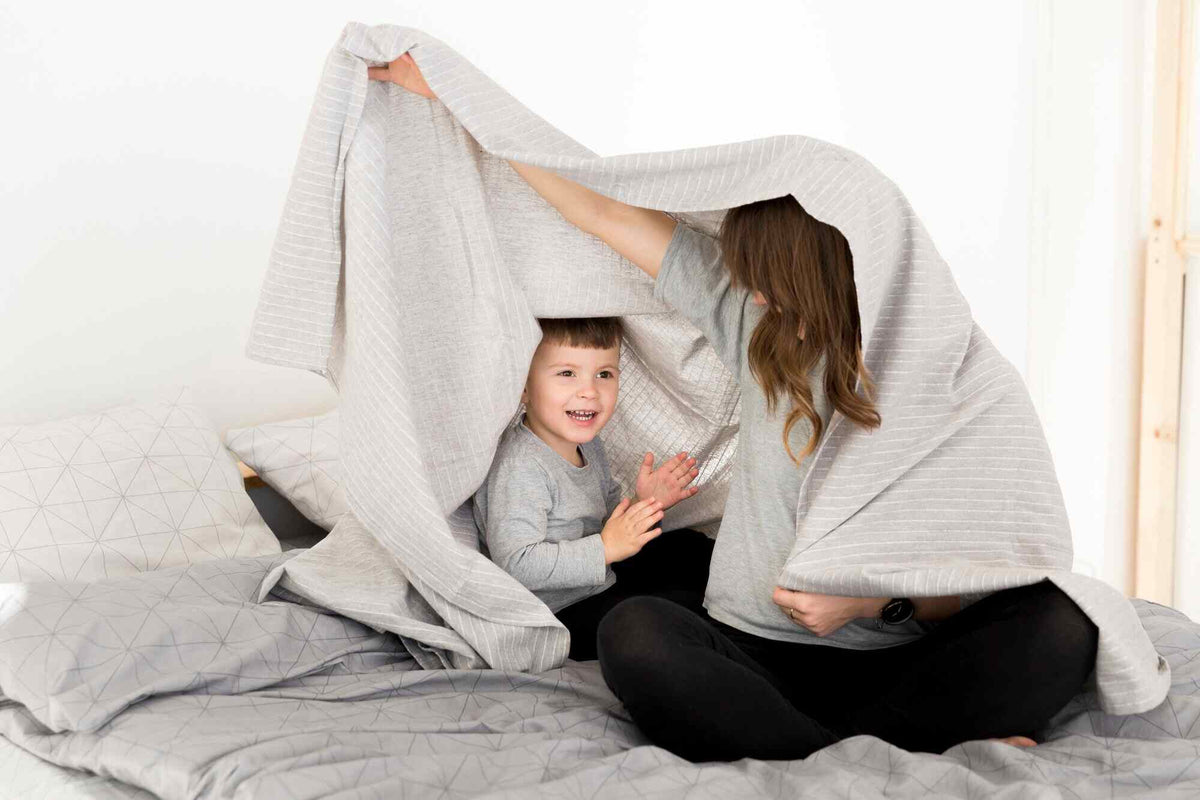
Blankets used for children get dirty quickly due to frequent use and need to be cleaned regularly. However, the cleaning method for each blanket can vary. In this article, you will find comprehensive answers to questions about how to clean children's blankets, which methods should be preferred, and how to maintain them.
Things to Consider Before Washing a Child's Blanket
Before washing your blanket, it is necessary to pay attention to some important steps. In particular, checking the instructions on your blanket's label will prevent damage to the material.
-
Read the Blanket Label Instructions: The label on your blanket contains information about the washing temperature, drying instructions, and the type of detergent to be used. These instructions are important to ensure the longevity of your blanket.
Example: Wool blankets should generally be washed at low temperatures and dried naturally. -
Choose Cleaning Methods Based on Material: Determine what material your blanket is made of and apply the appropriate cleaning method. Incorrect methods can ruin the shape and texture of the blanket.
Cleaning recommendations for different blanket materials: - Wool blankets: Wash wool blankets by hand or on a wool wash cycle. Wash at a low temperature using a mild detergent and dry using natural methods.
- Cotton blankets: Cotton blankets can withstand high temperatures and are machine washable. However, they should not remain in the tumble dryer for a long time.
- Fleece blankets: Wash fleece blankets at a low temperature and air dry naturally.
How Often Should a Child's Blanket Be Washed?
A child's blanket must be washed regularly to remain hygienic. You can determine the washing frequency based on how often it is used.
- Washing Frequency for Daily Use: If the blanket is used every day, it is recommended to wash it weekly. This prevents the accumulation of bacteria and germs.
- Tips for Maintaining Blanket Hygiene:
- Air out the blanket regularly.
- Treat stains quickly when they occur.
- Use hypoallergenic detergents that are suitable for your child's skin type.
How Should a Child's Blanket Be Washed?
Following the right steps when washing children's blankets ensures that the blanket lasts a long time.
-
Machine Washing: When washing the blanket in the washing machine, use a low temperature (30-40 degrees Celsius). Choose a mild detergent and use the delicate cycle.
Machine washing tips: - Wash the blanket separately. Washing it with other laundry can cause the fabric to pill and wear out due to friction. Washing it with different colors may also cause color bleeding.
- Avoid using bleach. Bleach can damage the fibers of the blanket and cause fading. Instead, opt for natural and hypoallergenic cleaning products.
- Choose a low-spin cycle.
- Hand Washing: Hand washing is safer for blankets made from delicate fabrics. You can wash them gently using warm water and a mild detergent. Hand washing is particularly recommended for wool blankets.
How Should a Child's Blanket Be Dried After Washing?
After the washing process, it is important to dry the blanket correctly. Incorrect drying methods can distort the blanket's shape.
- Machine Drying: If your blanket is machine-dryable, it is recommended to dry it on a low heat setting. High temperatures can cause the blanket to shrink or stiffen.
- Air Drying: One of the safest methods is to air dry the blanket naturally. Lay the blanket out on a flat surface and leave it to dry in a shaded, well-ventilated area. Sunlight can cause the color of the blanket to fade.
Stain Removal Methods
Stains can frequently occur on children's blankets. Treating stains quickly makes cleaning easier.
- How to Remove Tough Stains?
- Apply warm water to the stain immediately.
- Gently remove the stain using natural cleaners, especially baking soda and vinegar.
- Natural and Chemical Cleaners:
- Natural Cleaners: Natural products like vinegar and baking soda both clean stains and leave no chemical residue behind.
- Chemical Cleaners: If you are going to use a chemical cleaner, choose hypoallergenic products suitable for children.
- Recommendations for specific types of stains:
- Food stains: Gently soften the stain with warm water, then clean gently with baking soda.
- Ink stains: Apply a mixture of vinegar and baking soda to the stain, then wash.
Using Fabric Softener on Blankets: Right or Wrong?
While softeners make blankets feel softer, they can be harmful to certain fabric types. Fabric softener should be used carefully, especially for synthetic fabrics.
- Effects of Softeners on Blankets: Softeners can damage the structure of blankets made from synthetic fabrics and reduce their absorbency. In wool blankets, softeners can stiffen the fibers. For cotton fabrics, careful use is not harmful, but it should not be overdone.
- Alternatives to Softener: You can use vinegar as a natural softener. Vinegar provides both softness and a hygienic clean.
Blanket Cleaning Methods for Sensitive Skin
Children's sensitive skin can be reactive to the cleaning products used. It is necessary to apply special cleaning methods for sensitive skin.
- Recommended Cleaning Products to Prevent Allergic Reactions: You can prevent potential allergic reactions by using hypoallergenic, fragrance-free detergents specifically produced for children.
- Using Natural and Organic Cleaning Materials: Natural, chemical-free soaps and organic cleaning products ensure safe cleaning for a child's blanket. Natural cleaners like baking soda and vinegar are ideal options.
Cleaning Different Types of Blankets
You may need to apply different cleaning methods depending on your blanket's material. Here are cleaning recommendations based on the most common types of blankets:
- Fleece Blankets: Fleece blankets can be machine washed at a low temperature. However, use low heat during drying or opt for air drying.
- Cotton Blankets: Cotton blankets can withstand high temperatures, be machine washed, and dried. However, keeping the drying time short prevents the fabric from stiffening.
- Wool Blankets: Wash wool blankets by hand or on a wool cycle at a low temperature. Prefer natural air drying instead of using a tumble dryer.
Care Tips to Extend the Life of a Child's Blanket
To keep your blanket durable and soft for a long time, you must maintain it properly.
- To Preserve the Shape and Softness of the Blanket: Avoid using excessively hot water or heavy detergents. Airing out the blanket regularly and keeping it away from direct sunlight helps maintain its shape.



Share:
Bed Cleaning and Long-Term Use Tips for Children
How to Improve Sleep Quality?