


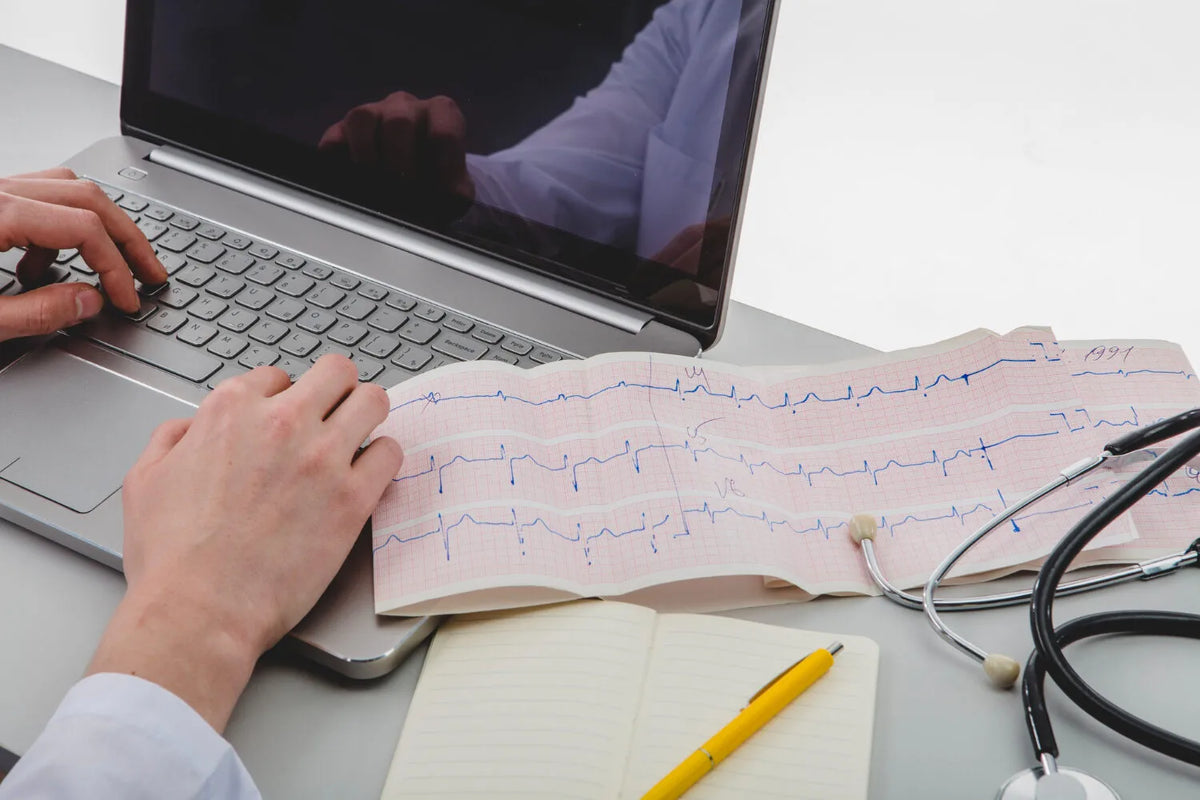
Sleep is an essential physiological process for our overall health. However, modern living conditions, stress, and various health issues can negatively affect our sleep quality. Yet, it is possible to improve the sleep environment with simple precautions such as choosing the right mattress and pillow. Symptoms like chronic fatigue, excessive daytime sleepiness, and snoring may indicate a sleep disorder. This is precisely where polysomnography—the gold standard for diagnosing sleep disorders, commonly known as a sleep study—comes into play. So, what is polysomnography, why is it performed, and why is it important for our sleep health? In this comprehensive guide, you will find the answers to all your questions about sleep studies.
Polisomnography is a detailed diagnostic method that simultaneously records various physiological activities in your body during sleep. This test aims to identify your sleep stages and potential sleep disorders by measuring many parameters such as brain electrical activity, eye movements, muscle activity, heart rhythm, breathing patterns, blood oxygen levels, and leg movements. It is usually performed in a sleep laboratory overnight, but sometimes it can be done at home.
Why is Polysomnography Performed? In What Situations is a Sleep Study Necessary?
Polysomnography plays a critical role in the diagnosis of many sleep disorders. Your doctor may recommend a sleep study if you have one or more of the following symptoms:
Sleep-Related Breathing Disorders
-
Sleep Apnea (Obstructive Sleep Apnea and Central Sleep Apnea): The repeated cessation or shallowing of breathing during sleep. Snoring, excessive daytime sleepiness, and morning headaches are the primary symptoms of this condition. Polysomnography is the most effective method for determining the frequency and severity of apnea and hypopnea (shallow breathing) episodes.
-
Upper Airway Resistance Syndrome: A condition where sleep fragmentation occurs due to increased resistance in breathing without full apnea.
-
Chronic Snoring: Beyond simple snoring, it is important for evaluating types of snoring that disrupt sleep and cause drops in oxygen levels.
Excessive Daytime Sleepiness and Fatigue
-
Narcolepsy: A chronic neurological disorder characterized by uncontrollable daytime sleep attacks and sudden muscle weakness (cataplexy). It is diagnosed via polysomnography and the Multiple Sleep Latency Test (MSLT).
-
Idiopathic Hypersomnia: A state of excessive daytime sleepiness with no clear underlying cause.
Difficulty Falling or Staying Asleep (Insomnia)
-
Chronic Insomnia: Difficulty falling or staying asleep. Polysomnography can be performed to rule out potential physical causes underlying insomnia (such as restless legs syndrome).
Sleep-Related Movement Disorders
-
Restless Legs Syndrome (RLS): Characterized by uncomfortable sensations in the legs and an urge to move them, usually occurring in the evening or at night in bed. Polysomnography can detect periodic limb movements in sleep (PLMS).
-
REM Sleep Behavior Disorder (RBD): A physical activity disorder characterized by acting out dreams during REM sleep.
Other Conditions
-
Unexplained nocturnal headaches.
-
Screening for sleep apnea in patients with refractory hypertension.
-
Evaluating the relationship between certain types of epilepsy and sleep.
-
Detection of sleep disorders related to obesity.
How is Polysomnography Performed?
Polysomnography is usually performed overnight in a sleep laboratory. Here is the step-by-step process:
1. Preparation Process
The day before or on the day of the test, your doctor or sleep technician will give you specific instructions. The following are generally recommended:
-
Caffeine and Alcohol: You should avoid consuming caffeinated beverages (coffee, tea, soda) and alcohol on the day of the test, as they can affect sleep patterns.
-
Medications: You must inform your doctor about all the medications you use. Some medications can affect test results, and your doctor may ask you to temporarily pause or adjust your dosage.
-
Personal Care: It is recommended that you shower and wash your hair, and avoid using hair sprays, gels, or skin creams, as these products may prevent the sensors from adhering to the skin. You can bring your comfortable pajamas. Alongside your comfortable pajamas, comfortable sleep products can also improve your sleep experience.
2. Sensor Attachment
When you arrive at the sleep laboratory, the sleep technician will place small sensors and electrodes on various parts of your body. These sensors are generally applied painlessly and are designed not to cause discomfort during sleep:
-
Brain Waves (EEG): Electrodes placed on the scalp record the electrical activity of the brain to determine sleep stages (wakefulness, NREM stages, and REM sleep).
-
Eye Movements (EOG): Electrodes placed around the eyes record eye movements. Rapid eye movements (REM) during REM sleep are monitored in this way.
-
Muscle Activity (EMG): Electrodes placed on the chin and legs record muscle activity and contractions (e.g., bruxism or periodic limb movements).
-
Heart Rhythms (ECG): Electrodes placed on the chest monitor heart rate and rhythm.
-
Respiratory Effort: Elastic bands placed around the chest and abdomen measure breathing movements and effort.
-
Airflow: Small cannulas or thermistors placed in front of the nose and mouth measure the flow of inhaled and exhaled air.
-
Oxygen Level (Oximeter): A probe attached to the finger continuously monitors blood oxygen saturation.
-
Body Position: Body position sensors record which position you sleep in (back, side, stomach).
3. Recording Process
Once the sensors are attached, you are asked to fall asleep in a private room at the sleep laboratory. Technicians monitor all recordings via a monitor in the next room and can intervene if there is a problem. The room is usually adjusted to be quiet, dark, and comfortable. In some cases, a microphone may also be used to record snoring or other sounds during sleep.
4. Evaluation of Results
When you wake up in the morning, the sensors are removed, and you can go home. The collected data is analyzed in detail by a sleep specialist. This analysis provides a wealth of information, including the distribution of your sleep stages, the number and type of respiratory events, oxygen drops, heart rhythm disturbances, and movement disorders during sleep. The report is explained to you at a follow-up appointment with your doctor, and an appropriate treatment plan is determined.
What Do Sleep Study Results Mean?
Polysomnography results contain various parameters that help your doctor determine the type and severity of your sleep disorder. Here are some key indicators:
-
Sleep Duration and Efficiency: How long you slept and how long it took you to fall asleep.
-
Sleep Stage Distribution: The ratio of NREM (N1, N2, N3) and REM sleep stages to your total sleep time. The balance of these stages provides important clues about your sleep quality.
-
Apnea-Hypopnea Index (AHI): The number of apnea (cessation of breathing) and hypopnea (shallower breathing) events per hour. The AHI value is a key indicator for determining the severity of sleep apnea:
-
Normal: AHI < 5
-
Mild Sleep Apnea: 5 ≤ AHI < 15
-
Moderate Sleep Apnea: 15 ≤ AHI < 30
-
Severe Sleep Apnea: AHI ≥ 30
-
Minimum Oxygen Saturation: The lowest value your blood oxygen level reaches during sleep.
-
Respiratory Effort-Related Arousal Index (RERA): The number of short-term sleep fragmentations related to an increase in respiratory effort.
-
Periodic Limb Movement Index (PLMI): The number of leg or arm movements per hour.
-
Heart Rhythm Disturbances: Abnormal heart rhythms occurring during sleep.
Treatment Options After Polysomnography
Depending on the results of the polysomnography, your doctor will recommend the most appropriate treatment method for the identified sleep disorder:
-
CPAP Device for Sleep Apnea: The most common and effective method for treating obstructive sleep apnea. It keeps the airways open by providing continuous positive airway pressure (CPAP) during sleep.
-
Oral Appliances: Can be used for mild to moderate sleep apnea cases or snoring treatment. It opens the airway by pulling the lower jaw forward.
-
Lifestyle Changes: Changes such as losing weight, reducing alcohol and tobacco consumption, and exercising regularly can be beneficial for many sleep disorders.
-
Positional Therapy: For patients who only experience apnea when sleeping on their back, position-adjusting devices or pillows can be used.
-
Surgical Interventions: Rarely, surgical options may be considered, especially in cases of significant abnormalities in airway anatomy or enlarged tonsils/adenoids.
-
Medication: Medications may be used to manage the symptoms of some sleep disorders, such as narcolepsy or restless legs syndrome.
-
Cognitive Behavioral Therapy (CBT-I): An effective psychotherapy method for insomnia treatment. It focuses on changing incorrect thought and behavioral patterns related to sleep.
Home Sleep Study
Today, home sleep study options are also available for some patients, eliminating the need to stay in a sleep laboratory. Called portable polysomnography, these tests typically use fewer sensors to record basic parameters such as breathing patterns, heart rate, and oxygen levels.
Who is a Home Sleep Study Suitable For?
-
Generally, individuals suspected of having moderate or severe sleep apnea who do not show signs of other complex sleep disorders.
-
Patients who have difficulty going to a sleep laboratory or struggle to sleep in a hospital environment.
Advantages and Disadvantages of a Home Sleep Study
-
Advantages: More comfortable, less costly, and the appointment waiting time is usually shorter.
-
Disadvantages: It does not collect as comprehensive data as a laboratory test (e.g., does not record brain waves), so it may be insufficient for diagnosing complex sleep disorders. Additionally, patient cooperation is important regarding the correct attachment of sensors and the reliability of the data.
Your doctor will determine the most appropriate test method for your condition.
Why is a Sleep Study Important?
Polysomnography (sleep study) is vital for the accurate diagnosis of sleep disorders and for creating an effective treatment plan. Quality sleep is the cornerstone of our physical and mental health. Comfortable sleep products are an important factor supporting this quality. Sleep disorders can lead to serious health problems such as heart disease, high blood pressure, diabetes, stroke risk, obesity, depression, and an increased risk of accidents.
If you are experiencing chronic snoring, excessive daytime sleepiness, difficulty falling asleep, breathing pauses during sleep, or other sleep-related concerns, do not hesitate to consult a sleep specialist. Remember, with the right diagnosis and treatment, it is possible to improve your sleep quality and lead a healthier life.
Just as finding solutions to your sleep disorders is an investment in your health, so is choosing the right mattress. Explore Sloth Bedding mattresses for better sleep.
Frequently Asked Questions (FAQ) About Polysomnography (Sleep Study)
Is polysomnography a painful test?
No, polysomnography is a completely painless test. Small sensors are simply attached to your body. It is designed not to disturb you while you sleep.
Is a home sleep study better, or one in a laboratory?
A test performed in a laboratory is more comprehensive and collects more data. A home test is more comfortable and practical but is not suitable for every situation. Your doctor will recommend the best option for you.
What should I do before going to a sleep study?
Do not consume caffeine or alcohol on the day of the test. Do not use creams or sprays on your hair and skin so that the sensors can adhere easily. Do not forget to bring comfortable pajamas.
Which diseases can be detected with polysomnography?
Many sleep disorders such as sleep apnea, restless legs syndrome, and narcolepsy are detected. Additionally, breathing and heart rhythm problems during sleep can also be identified. The test provides detailed information about your sleep quality.
When will the sleep test results be available?
After the test, the results are generally prepared within a few days. The data is examined by a sleep specialist. Your doctor will explain the results to you and share the treatment plan.


Share:
What Is Sleep Regression?
How to Fix Your Sleep Schedule?