


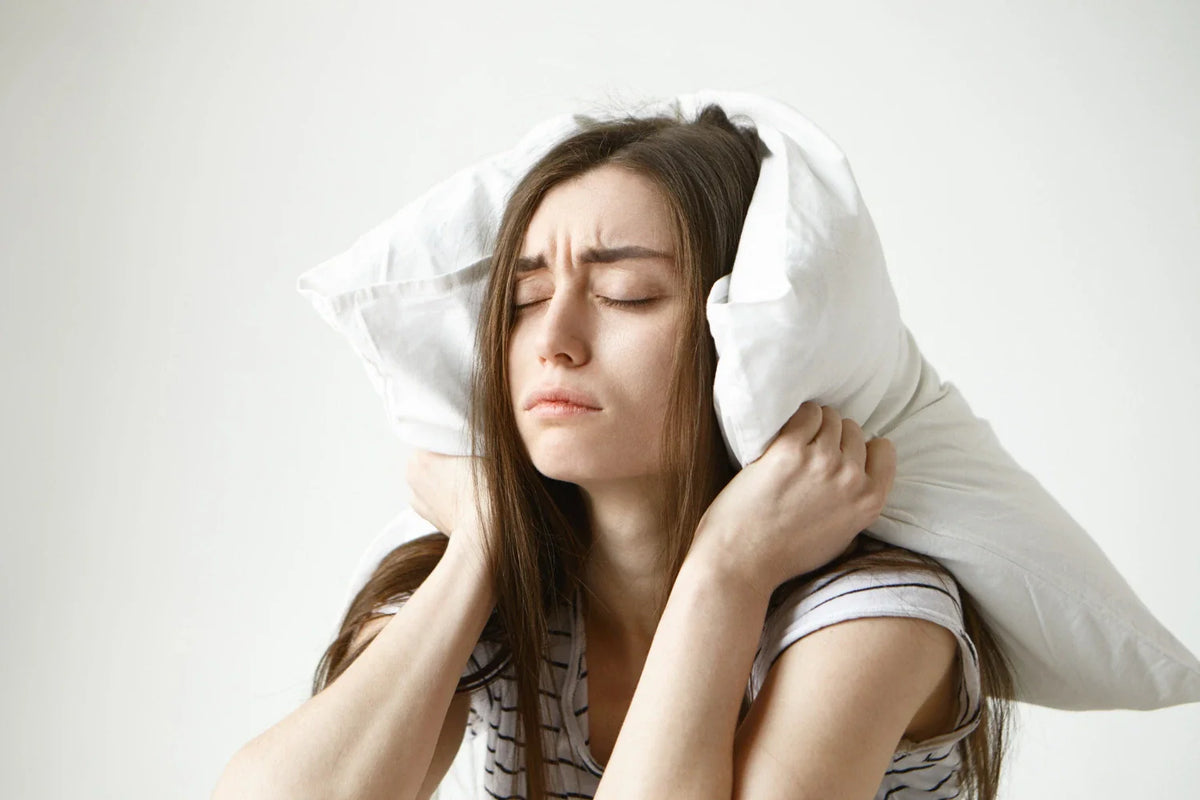
Sleep apnea is a sleep disorder that occurs when breathing involuntarily stops and restarts throughout the night. Although it may sound innocent, it is a condition that can seriously exhaust the body. Breathing pauses can last from a few seconds to a minute, and these can repeat many times throughout the night. Even if you don't notice it, because your sleep is fragmented, you cannot wake up rested in the morning and may experience headaches, fatigue, and concentration problems during the day.
This condition is usually caused by the narrowing of the airway in the throat. When the body realizes it cannot breathe, it forces you into micro-arousals, and breathing resumes. However, this cycle prevents you from reaching the most restorative stages of sleep. If left untreated, it can lead to consequences such as cardiovascular diseases, blood pressure problems, and a significant decline in quality of life.
How to Identify Sleep Apnea?
It is not always easy to recognize sleep apnea on your own because the problem usually occurs while you are asleep. However, some signs can make it easier to understand the situation. The most prominent symptom is loud snoring; especially if there is a short silence followed by a sudden gasp for air after snoring, this is a serious indicator. Waking up frequently during the night, feeling like you are choking, or dry mouth are other notable symptoms. One of the factors affecting sleep quality is the selection of the right mattresses and pillows that support head and neck alignment; these details can help reduce apnea symptoms.
As for daytime signs, feeling unrested, morning headaches, difficulty focusing, and involuntary dozing off during the day are common. If you have a tendency to doze off, especially while driving, you should definitely take this seriously. A definitive diagnosis is made through a polysomnography test performed in a sleep laboratory. This test evaluates your breathing, oxygen levels, and sleep stages in detail during your sleep.
What Causes Sleep Apnea?
Sleep apnea does not have a single cause; often, multiple factors combine to cause the airway to narrow during sleep. The most common cause is excess weight. When fat around the neck area increases, the airway narrows more easily, and the likelihood of breathing interruptions rises. Apart from this, anatomical features play an important role. A small jaw structure, a large tongue, enlarged tonsils, or a narrow upper respiratory tract can make airflow even more difficult during sleep.
Lifestyle factors such as the decrease in muscle tone as one ages, hormonal differences in men, and smoking and alcohol use also increase the risk. Alcohol, in particular, can cause more frequent breathing pauses because it relaxes the throat muscles. In some people, genetic predisposition is prominent; the likelihood of it occurring is higher in those with family members who have sleep apnea. Using a suitable pillow that supports the sleeping position can positively affect airway openness in some individuals.
Sleep Apnea Device
A sleep apnea device is used to keep the airway open throughout the night and forms the basis of the treatment. The most well-known model is the CPAP device. This device delivers a steady flow of air through a mask worn on the nose or face. The goal is to support the airway, which is prone to collapsing during sleep, and prevent breathing from stopping. Thus, sleep is not interrupted, oxygen levels remain stable, and you wake up much more rested in the morning.
The working principle of the device is simple, but its effect is quite powerful. When used regularly, it greatly reduces snoring, daytime fatigue disappears, and risks to cardiovascular health drop significantly. In addition to CPAP, there are models that provide different pressures, such as APAP and BiPAP. Your doctor will decide which device is suitable for you based on your sleep test results.
Sleep Apnea Mask
Another element as important as the device in sleep apnea treatment is the mask. This is because the correct and comfortable delivery of the airflow sent by the device depends on the mask. The mask fitting your face perfectly, not leaking air, and not bothering you directly affects the success of the treatment. Therefore, choosing the right mask is one of the most critical steps in the adaptation process.
There are basically three different mask types: nasal mask, nasal pillows, and full-face mask. While a nasal mask offers a lighter usage, a full-face mask is more suitable for people who breathe through their mouths. Nasal pillow models are comfort-oriented with their minimal design. When making a choice, your facial structure, breathing style, and sleeping position are taken into account. Additionally, trying on the mask, getting used to it by wearing it for short periods in the first few days, and adjusting the straps correctly significantly increase comfort.
Which Doctor Should You Visit for Sleep Apnea?
If you suspect you have sleep apnea, there are several specialties you can consult. The most frequently preferred department is chest diseases. This is because the team that manages the sleep test and plans the device treatment is usually part of this department. A chest diseases specialist listens to your complaints, plans a polysomnography test if necessary, and monitors the treatment process.
In some cases, the problem may be caused by an anatomical obstruction. If there are conditions such as an enlarged tongue base, tonsil problems, or nasal congestion, it is necessary to consult an ear, nose, and throat (ENT) specialist. Neurology is also an important department for evaluating sleep disorders, especially when other neurological conditions that affect sleep patterns are suspected. You can make your first visit to one of these three departments and clarify the process with your doctor's guidance.
How Is Sleep Apnea Treated?
Sleep apnea treatment varies according to the underlying causes and the severity of the disease. The most fundamental and effective method is treatment with a CPAP device. This device keeps the airway open throughout the night, preventing breathing pauses and ensuring sleep continues uninterrupted. Through regular use, snoring decreases, daytime fatigue disappears, and it provides significant protection for cardiovascular health in the long run.
Lifestyle changes also play an important role in treatment. If you are overweight, losing weight creates significant improvement for most people. Reducing alcohol and smoking, and establishing a more regular sleep routine are also supportive steps. In some people, anatomical problems are at the forefront; conditions such as nasal congestion, enlarged tonsils, or a narrow upper airway can be corrected with surgical methods. Your doctor will decide which treatment method is suitable for you based on your sleep test results and physical examination. In addition to the treatment recommended by your doctor, choosing a pillow suitable for your neck structure can help you stay in a more comfortable position throughout the night.
Frequently Asked Questions (FAQ) About Sleep Apnea
Is Sleep Apnea Dangerous?
If left untreated, it can lead to serious problems such as cardiovascular diseases, high blood pressure, and arrhythmias. Therefore, it should not be neglected.
Is Sleep Apnea a Separate Condition from Snoring?
Snoring does not always mean sleep apnea, but snoring is prominent in many people with apnea. A sleep test is required for a definitive distinction.
Does Sleep Apnea Go Away After Weight Loss?
In cases of apnea due to excess weight, weight loss provides significant improvement. However, it may not completely disappear in every patient.
Can Sleep Apnea Be Treated at Home?
Lifestyle adjustments help, but for primary treatment, device use or methods deemed appropriate by a doctor are required.
How Long Does It Take to Get Used to a Sleep Apnea Device?
Comfort is usually achieved within a few weeks. Choosing the right mask and consistent use shorten the adaptation period.


Share:
Pillow Types and Features
What Causes Snoring?