


What Exactly Is a 7-Zone Latex Mattress?
A 7-zone latex mattress is a mattress made of latex foam that features seven distinct zones of varying firmness or flexibility, providing specialized support points for different parts of the body, from the shoulders to the ankles. The main sleep issue this design solves is the loss of the spine's natural curvature due to uneven pressure on the back, waist, and joints, which often occurs with standard mattresses.
- 7-zone structure: These are separately adjusted densities for the head, shoulders, waist, hips, upper legs, lower legs, and feet. For example, the mattress is softer around the shoulders and hips, and more supportive in the waist area.
- Natural latex material: A material obtained from the sap of the rubber tree and vulcanized to provide springiness. It stands out by being more flexible and breathable than synthetic blends.
- Point-pressure relief: Because each zone flexes differently based on the body's weight distribution, it eliminates pressure points that restrict blood circulation.
- Spinal alignment: The extra lifting force in the waist zone helps the vertebrae maintain their physiological "S" curve when sleeping on the back or side.
- Motion isolation: Since the internal structure of latex does not distribute compression forces from one side to the entire surface, one partner barely feels the other tossing and turning.
- Natural air channels: Thanks to pinholes or molding channels created during production, the mattress breathes, preventing moisture and heat buildup.
- Allergy resistance: Natural latex provides an unfavorable environment for dust mites and mold, which is a significant advantage for those prone to allergies.
This type of mattress is especially advantageous for adults suffering from lower back and neck pain, couples with different weights and sleeping positions, parents looking for proper spinal support for their growing children, and those seeking comfort-focused gifts.
The way to truly decompress the body while resting is through a support system where every point is considered individually.
Why It Is Important for a Better Sleep
Spending hours on a surface that is not suitable for your body during sleep results in morning fatigue, joint stiffness, and decreased concentration throughout the day. Ignoring this issue means your body pays the price for poor-quality sleep every night.
- Lower back and back pain: Mattresses that leave the lumbar curve unsupported lead to morning stiffness. The 7-zone structure keeps the spine in a neutral position by applying controlled lifting force to the waist area.
- Numbness in shoulders and hips: Excessive pressure on these points, which carry most of the body weight when sleeping on your side, restricts blood flow. The softer transition zones in these areas distribute this pressure.
- Frequent repositioning at night: Unconscious tossing caused by discomfort interrupts deep sleep phases. The instant-responding elasticity of latex reduces the need to toss and turn by conforming to the body's shape.
- Waking up due to partner movement: If one side of the bed gets up or turns and wakes the other, the latex's high motion-dampening ability minimizes this interruption.
- Feeling sweaty and hot: Unlike memory foam, which traps heat, air-channeled latex provides a constant temperature balance, breaking the cycle of waking up to change covers.
- Allergic nighttime coughing and sneezing: If a mattress becomes a nest for dust mites, allergic reactions will ruin your sleep. Natural latex provides a moisture-resistant environment that does not feed mites.
- Loss of support due to mattress sagging: Dips that form in the middle over time create pressure on the lower back. Latex of the correct density returns to its original form without sagging for years.
- Morning numbness in arms and hands: Numbness due to vascular pressure is significantly reduced thanks to the flexible latex density in the shoulder area.
- Muscle tension throughout the day: If muscles cannot fully relax during the night, it results in accumulated tension in the body. Zonal flexibility allows muscles to truly let go.
- Mismatch for couples of different weights: The different firmness requirements for light and heavy individuals on the same mattress can be reconciled with a zoned system that responds to each body individually.
Every hour you spend on the mattress contributes to the vitality of the next day; with the right support, you can guarantee this accumulation.
How to Choose the Right Option
The range of products on the market labeled "latex" and "7-zone" is so vast that distinguishing the one suitable for your needs can be confusing.
Step 1: Clarify your dominant sleeping position
Determining whether you use the mattress mostly on your back, side, or stomach reveals which zones need to be softer or firmer. Side sleepers want more flexibility in the shoulder and hip zones, while back sleepers need clear support in the waist area. For stomach sleepers, a balanced firmness is required to prevent the hip area from sinking excessively.
Quick check: Note your position for a week; the position you find yourself in most often reflects your true sleeping habit.
Step 2: Question the type and ratio of latex
There are differences in elasticity, lifespan, and price between natural latex, synthetic latex, and blended options. While natural latex is generally more durable and breathable, synthetic-blended products offer cost advantages. However, the expected elasticity and resilience may not be achieved in a mattress with a low natural latex ratio, such as 20-30%.
The percentage of the latex component is always stated on the mattress label or product page; explicitly request this ratio from the manufacturer.
Step 3: Examine the zone map and densities
The density difference in each zone is indicated in the cross-section images or technical drawings of the mattress. The waist zone should have a significantly higher firmness profile than the other zones. It is not enough to just say "there are 7 zones"; verify that these zones are separated by measurable differences.
- The waist zone density value should be at least 15-20% higher than other zones.
- A distinct low-density transition should be visible in the shoulder and hip zones.
Step 4: Review cover and fabric preferences
No matter how good the latex core is, heat buildup can occur if the cover is not made of a fabric that doesn't cause sweating and can wick away moisture. Look for a zippered and washable cover made of natural and semi-natural components such as cotton, bamboo, or Tencel. Synthetic-heavy covers carry the risk of static electricity and sweat retention.
Step 5: Always check the certifications
The stamps of independent testing organizations, such as OEKO-TEX Standard 100 proving it contains no harmful substances, CertiPUR-US (for the synthetic part) measuring volatile organic compound emissions, or eco-INSTITUT for natural latex, are the clearest indicators of the product's safety. Without these certificates, the claim of being completely "harmless" remains incomplete.
Step 6: Evaluate thermal comfort and breathability
The layout of the air channels inside the mattress and the frequency of pinholes are directly related to moisture evacuation and temperature regulation. If you have the chance to try it in the store, check whether you feel a temperature increase after lying on your back for a few minutes. In online shopping, it is easier to trust the product if the manufacturer transparently explains the structure of these channels.
Step 7: Test motion transfer or estimate from reviews
For couples, the less one side feels the weight change on the other side of the bed, the less sleep is interrupted. It is best to go to the store together and measure the perception level of one partner while the other changes position. If this is not possible, the frequency of phrases like "I don't feel my partner tossing and turning" in independent user reviews will give you an idea.
Step 8: Compare warranty periods and trial conditions
A long warranty provides confidence regarding the quality of the mattress; however, reading the "user error" exceptions in the warranty text is mandatory. Brands that offer a trial period allow you to test the mattress at home for 30 to 100 nights. Learn in advance whether the return conditions are free and how the mattress will be transported.
Step 9: Read user experiences with a filter
Gather comments from users of different weights, positions, and ages regarding the same mattress model. Don't just look at positive comments; evaluate its suitability for your own profile by examining complaints such as "waist support felt insufficient" or "my shoulders continued to go numb."
Step 10: Try it out if you can physically feel the zonal differences
When you lie on the mattress, if your hand doesn't need to pass through when you put your palm under your waist gap, and your hips sink slightly at the same time, the zonal differences are working. Some brands display a cross-section of the mattress in showrooms to concretely show which resistance is in which zone; this transparency increases your purchase confidence.
The right model is like a support team working without making its presence felt throughout the night; don't rush when choosing it, and listen to your body's signals.
Common Mistakes and Warning Signs
Since a large portion of consumers repeats misconceptions about latex mattresses, purchases with high comfort expectations unfortunately often end in dissatisfaction.
- Trusting only the "7-zone" label: The number of zones written on the label may not point to a real engineering difference. Not questioning concrete density differences results in buying a flat piece of foam that has been zoned with painted lines. Solution: Ask the manufacturer for density data in kg/m³ for each zone.
- Skipping the latex ratio: Mistaking petrochemical-heavy foams containing a small amount of natural latex for pure latex creates sagging and heat buildup in a short time. See documentation certifying the percentage and source of the latex component before buying.
- Ignoring your own body type: While a light-structured person might not experience shoulder and hip sinking on a mattress of the same firmness, a heavy user might feel insufficient support. Consult the brand's expert for a density recommendation suitable for your body weight.
- Not using the trial period: Not knowing the return and shipping conditions in case you don't like the mattress bought online is risking a large sum. Keep a written version of the return policy for brands that offer a trial period.
- Believing "cool sleep" claims unconditionally: Latex naturally has air channels; however, a thick polyester cover placed over it can nullify this effect. Make sure the cover also has thermoregulation properties.
- Evaluating the warranty only in years: If a brand offering a 10-year warranty only covers manufacturing defects and excludes sagging and softening arising from use, this period is meaningless. Read the exception clauses in the warranty certificate.
- Overlooking the two-sided need: When couples with different weight and sleep preferences settle for a common medium-firm model, neither finds full comfort. In case of need, look for models that offer zoned structures with different firmness for both sides of the bed.
- Not using a mattress protector: Although latex is somewhat resistant to dirt and moisture, direct contact with sweat and skin oils eventually degrades the surface property of the material and reduces hygiene. You can prolong this process with a breathable protector.
- Making price the main criterion: The cheapest latex mattresses are usually products where zonal differences are blurred or the synthetic ratio is increased to cut costs. Weigh the price-performance balance against density, certifications, and real user experiences.
- Underestimating the risk of latex allergy: If you have a known allergy to latex, constant contact with the mattress can pose a risk. In this case, either turn to latex models that have undergone hypoallergenic treatment or consult a specialist physician before deciding.
Recognizing these traps and navigating around them is the most practical way to protect both your budget and your sleep health in the long term.
Care and Protection Tips
When proper care is applied, a latex mattress maintains its structural integrity and hygiene for years, offering a sleep experience close to the comfort of the first day every night.
- Use of a breathable mattress protector: Prevents sweat, skin oils, and accidentally spilled liquids from reaching the latex directly. Choose a waterproof yet breathable protector that can be machine washed once a week, and apply this habit from the moment you start using the mattress.
- Seasonal head-to-foot rotation: If the mattress consists of a single piece of latex block, you can ensure that body impressions are distributed evenly by swapping the head and foot parts every 3-4 months. This process balances zonal softening, especially in mattresses used by couples of different weights.
- Regular washing of the cover: Wash the removable outer cover every 2-3 weeks, following the manufacturer's instructions. Avoid using harsh chemicals and fabric softeners during washing; these can reduce the breathability of the cover even without interacting with the latex.
- Everyday morning airing routine: Allow the body moisture accumulated during the night to evaporate by completely opening the duvet and sheets. This process is the simplest step to deter mold and bacterial growth; 15-20 minutes with an open window is sufficient.
- Immediate stain intervention: In case of liquid contact, press with a clean towel before it absorbs into the mattress; rubbing pushes the stain deeper. Then wipe the surface with a slightly damp, soft cloth and pH-neutral soap; never leave it wet and do not heat it directly with a hair dryer.
- Do not position vertically during transport and storage: Folding the latex mattress or keeping it upright on its edge for a long time causes permanent deformation of the cells in the internal structure. When moving, pack the mattress horizontally and without placing weight on top of it.
- Keep away from direct sunlight and heat sources: Excessive UV rays and proximity to radiators accelerate the oxidation process of latex, leading to cracking and yellowing on the surface. Ensure the mattress is located in a cool and shaded corner of the room.
- Choose compatible materials when replacing the original cover: When renewing the outer cover that has worn out over time, acquire a cotton or bamboo-based cover that will not block the latex's breathing mechanism. If there are spare part options recommended by the brand, prioritize these.
The care shown to mattress maintenance is a long-term investment that ensures the continuation of restful nights for years with a few simple habits.
How SlothBedding Can Help
The greatest challenge in the search for a high-quality 7-zone latex mattress is access to reliable, transparent, and durable products.
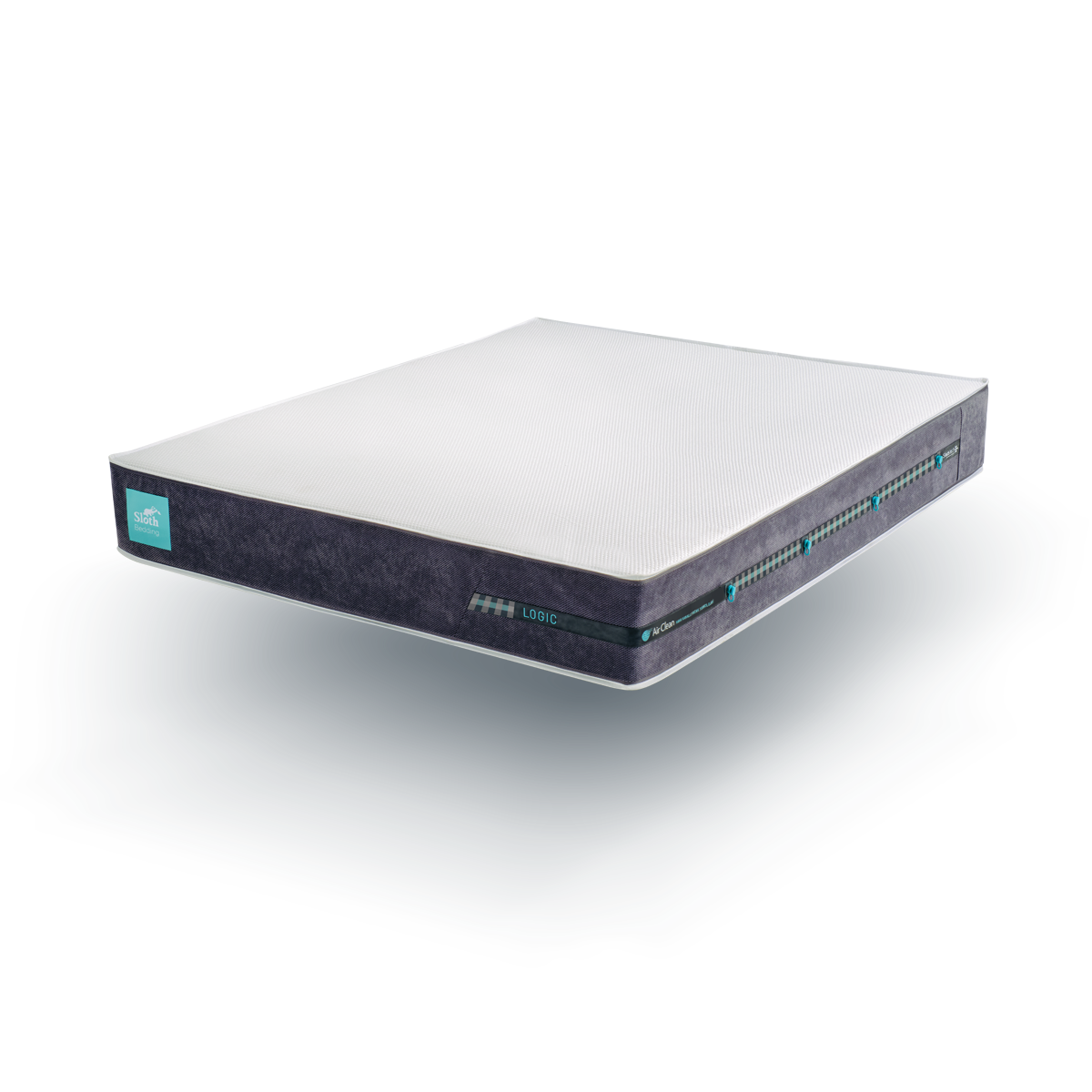
SlothBedding offers a seven-zone support system in its natural latex mattresses with different firmness and height alternatives. The product range includes density profiles that can respond to every sleeping position and body type. Every stage, from material selection to cover texture, is planned to reduce nighttime sweating and distribute pressure.
The consulting support offered before and after purchase provides guidance in determining which zone structure is suitable for you. Upon request, product certificates, latex origin, and regional density data are shared in a way that leaves no room for ambiguity.
SlothBedding’s trial period and warranty conditions allow you to make a decision by getting to know your mattress at home. There is a support team you can reach for questions that may arise during long-term use.
Frequently Asked Questions
Q: Does a 7-zone latex mattress really help my back pain?
These mattresses support the natural curvature of the spine because they provide extra height and firmness, especially in the lumbar region. If the source of the pain is poor posture or a wrong mattress choice, a noticeable reduction in symptoms is likely. However, if you have a chronic condition, consulting your doctor before changing your mattress would be the most accurate step.
Q: How do I identify a real 7-zone system?
In the cross-section images or density table provided by the manufacturer, each zone should be defined with a separate kg/m³ value. If you can clearly distinguish the firmness difference between the shoulder line and the waist line when you press the mattress with your hand, different zones are present. Strips sewn only onto the cover may be an indication that there is no difference in the internal structure.
Q: Does natural latex cause allergies?
Proteins in natural latex can cause contact allergies in very rare cases; however, the washing and vulcanization stages in the production process neutralize most of these proteins. Nevertheless, if you have a known allergy to latex gloves or balloons, examine the product's protein content certificate before purchasing and, if necessary, consult your dermatology specialist.
Q: Will I have a smell problem when I buy a latex mattress?
When a new latex mattress is opened, a slight odor may be heard, especially in synthetic-blended models. In natural latex, this smell is usually a vanilla-like scent that dissipates in a short time. You can accelerate this process by airing your mattress in a well-ventilated room for the first 24-48 hours. If a sharp, chemical smell does not go away over time, the product may contain high amounts of synthetic substances.
Q: Are different firmnesses possible on the same mattress for couples?
Some manufacturers offer a solution by joining two separate zoned latex slabs tailored to partners side-by-side inside the mattress. In cases where this is not possible, transitional zone densities that provide a compromise for both sides and work well for different weights are preferred. You can determine the most suitable model by consulting brands like SlothBedding directly about the dual firmness option.
Q: What is the average lifespan of a 7-zone latex mattress?
A mattress produced from high-density natural latex that is regularly maintained can be used for 10 to 15 years without significant sagging. This period may extend or shorten depending on factors such as using a mattress protector, the rotation routine, and the suitability of the bed base. When you notice a significant softening compared to the initial support of the mattress, it is time for a change.

Share:
Choosing a Mattress for Children Aged 7-15: A Step-by-Step Guide
What is Viscose Fabric? Features, Benefits and Mattress Selection