


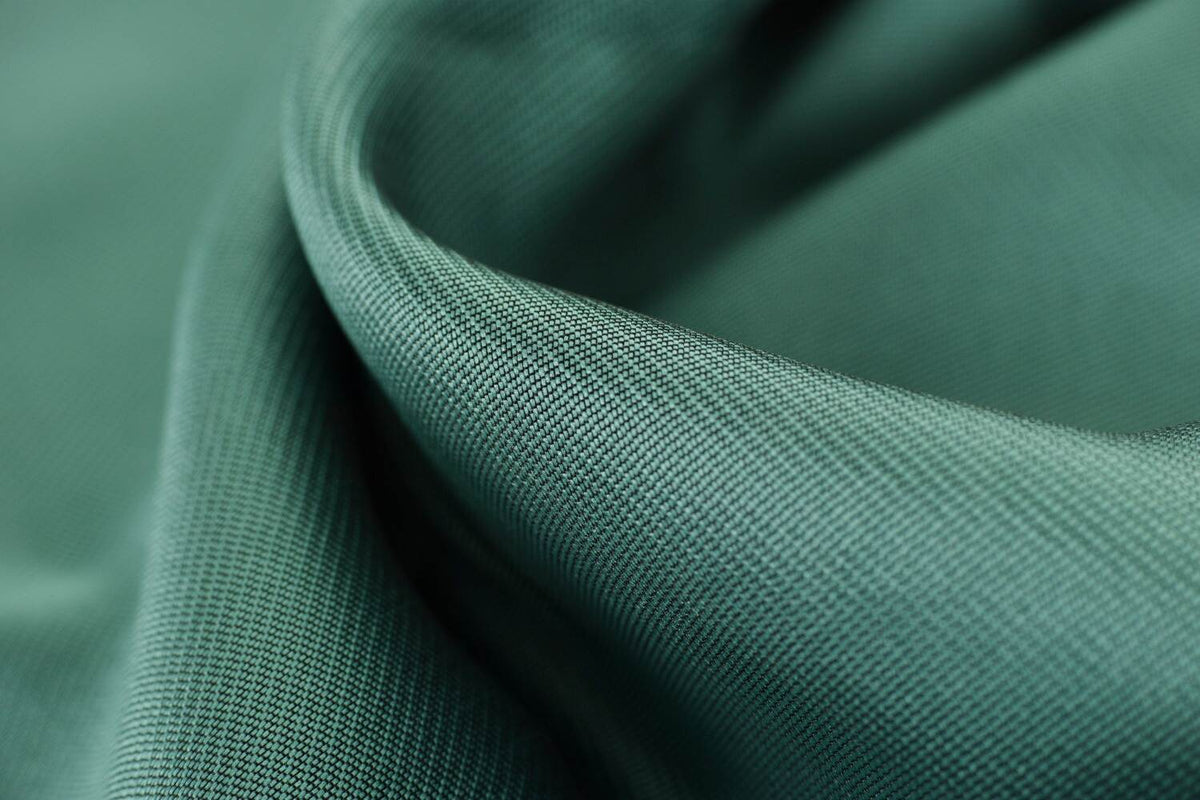
Viscose fabric is a type of semi-synthetic fabric derived from natural cellulose sources such as wood pulp, bamboo, or sugarcane. Notable for its lightweight, silky texture and high moisture absorbency, viscose is particularly preferred in bedding textiles because it prevents sweating. Having a structure quite similar to entirely natural fabrics like cotton, linen, and silk, viscose stands out in the textile world specifically for its silky softness and draped appearance. Although it undergoes certain chemical processes during production, it provides superior comfort by offering the feel of a completely natural fiber rather than a synthetic one when it touches the skin.
Key Features of Viscose Fabric
Among the topics users search for most regarding viscose on search engines are the physical advantages the fabric offers. The most prominent features of viscose fabric are as follows:
High Breathability: Thanks to the porous and air-permeable structure of the fabric, it allows the skin to breathe continuously.
Excellent Moisture Absorbency: It does not trap heat and absorbs ambient moisture very well, making it highly functional for home textiles and bedding sets.
Silky and Soft Texture: Thanks to its smooth surface that resembles natural silk, it leaves a luxurious, soft, and stylish feeling on the skin.
Draped and Aesthetic Structure: With its weight and draped structure that easily takes shape, it is used in a wide range of applications from furniture upholstery to clothing.
Does Viscose Fabric Cause Sweating?
One of the most frequently asked questions about viscose fabric is whether it causes sweating. Thanks to its moisture-absorbing capacity—which can be even higher than cotton—and its excellent air permeability, viscose absolutely does not cause sweating. On the contrary, it wicks away generated sweat from the skin instantly, succeeding in keeping the body cool and dry even during summer months. This strong climate control property makes viscose an ideal material for beds and sleep products where body temperature regulation is essential.
Differences Between Cotton and Viscose Fabric
During the purchasing phase, consumers are often indecisive between cotton and viscose. To determine the right fabric for your needs, you can examine the fundamental differences between these two popular fibers:
The Importance of Viscose Fabric in Mattress Selection
The silky softness and thermal climate control properties offered by viscose fabric directly increase sleep quality in home textiles and especially in mattress production. For a healthy, uninterrupted, and deep sleep cycle, it is of great importance that body temperature remains at an ideal level throughout the night. Viscose-surfaced mattresses largely reduce sweating during sleep and provide micro-climate control, relaxing the body.
If you are also looking for a sleep space that cools in the summer, maintains heat balance in the winter, and offers a natural touch to your skin, you can confidently choose mattress models that incorporate all these technological advantages of viscose fabric. Choosing a high-quality mattress not only increases your comfort throughout the night but also ensures you start the next day much more refreshed and energetic.
Viscose Fabric Care: How to Wash and Iron?
To ensure viscose-containing products maintain their form and silky texture for many years, the correct care steps must be followed:
Washing Instructions: They should be washed in a washing machine at a maximum temperature of 30°C on a delicate cycle at a very low spin speed (maximum 600 RPM). High heat can damage the fiber structure, causing the fabric to shrink or contract.
Drying Method: A tumble dryer should definitely not be used; the product should be laid out on a flat surface and left to air dry naturally.
Ironing Process: It is recommended to iron while the fabric is still slightly damp, turning it inside out at a low heat setting (110-130°C) to avoid direct contact with heat.

Share:
What is a 7-Zone Latex Mattress and How to Choose One
Self-Cleaning Beds: The 7 Best Options of 2026